preadsheet to SaaS: The Fastest Path to Launch

The Fastest Way to Turn a Spreadsheet into a SaaS

Many powerful SaaS ideas begin as humble spreadsheets. This isn’t a flaw; it’s proof of real workflows and problems. The critical error is staying stuck there. The fastest route isn’t perfection, but a structured journey: spreadsheet to defined workflow, then to a launch-ready SaaS. This guide shows founders how to stop patching rows and start building scalable, monetized products people genuinely need and use.

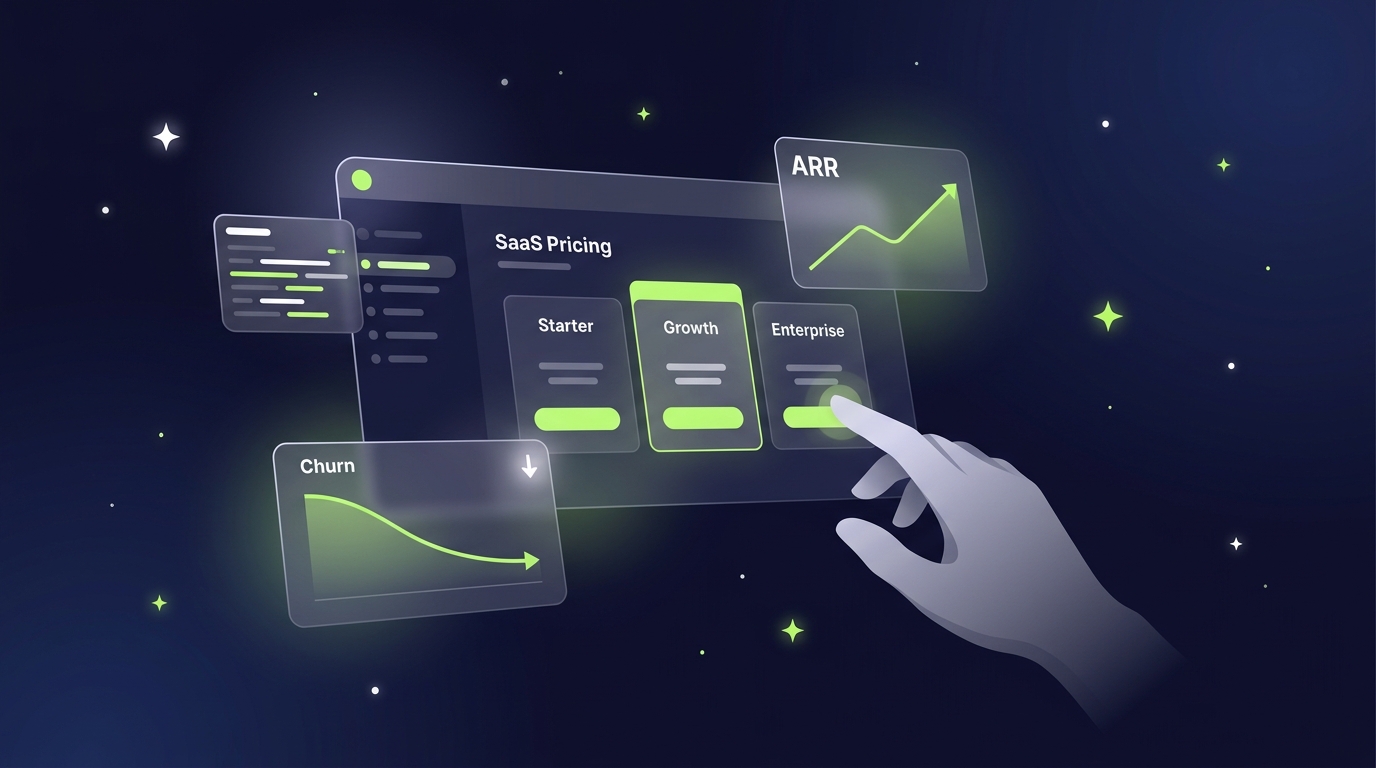
SaaS Pricing & Packaging Blueprint: Proven Strategies to Maximize ARR and Reduce Churn (2026)

This guide isn’t just theory; it’s a battle-tested blueprint for maximizing your SaaS ARR and slashing churn in 2026. We’ll dissect how to pick the right monetization model, craft plans that actually convert, and run price experiments that move the needle. Forget guesswork – this is about data-driven decisions, from psychological triggers to AI-friendly page design, ensuring your pricing strategy isn’t just good, but exceptional. Get ready to transform your revenue.

saas-launch-framework-30-days

Real SaaS Pricing Examples in 2026(Market Benchmarks)

Established SaaS companies employ deliberate, structured pricing models that reveal consistent patterns across the industry. They typically offer low-commitment entry points, scaling through mid-tier options to custom enterprise solutions. Key strategies involve choosing a clear, scalable value metric—like per user, per contact, or per transaction—and designing specific upgrade triggers. This ensures revenue growth aligns directly with customer success, making expansion paths a core component of their business model, not an afterthought.

saas-launch-framework-30-days-

The 30-Day SaaS Launch Framework

Many SaaS ideas fail before launch due to overbuilding or overthinking; a “Launch-Ready SaaS” is a revenue-capable system, not a feature-complete one. The Planet SaaS Method employs a 30-day, 4-Stage Orbit Model (Gravity, Ignition, Orbit, Thrust) to guide founders in rapidly building only essential, revenue-generating components. This structured approach prioritizes speed to market, focusing on acquiring paying users and iterating with data, rather than endless polishing. The goal is to quickly validate the idea through early monetization, confirming demand with actual revenue instead of perfect features.