SaaS Hosting Explained

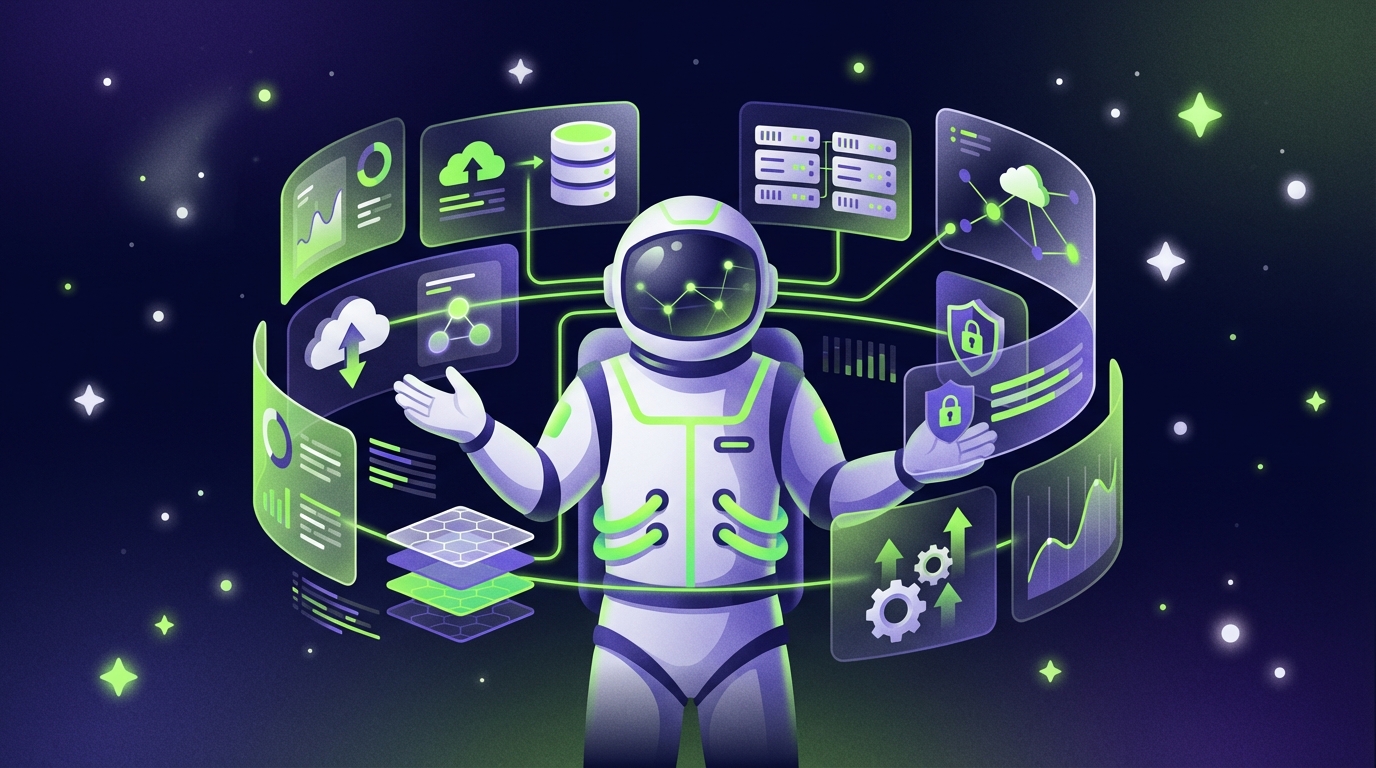
SaaS hosting isn’t just server space; it’s the bedrock of your product’s performance, security, and scalability. Founders often prioritize features, but bad hosting leads to slow apps, outages, and lost trust. Understand the essentials: from application and database hosting to crucial security and backup protocols. This isn’t about becoming a cloud engineer, but making informed decisions early on to ensure your SaaS can grow without painful, expensive rebuilds later. Get it right, and you launch faster and sleep better.
SaaS Task Automation

Automating Repetitive SaaS Tasks

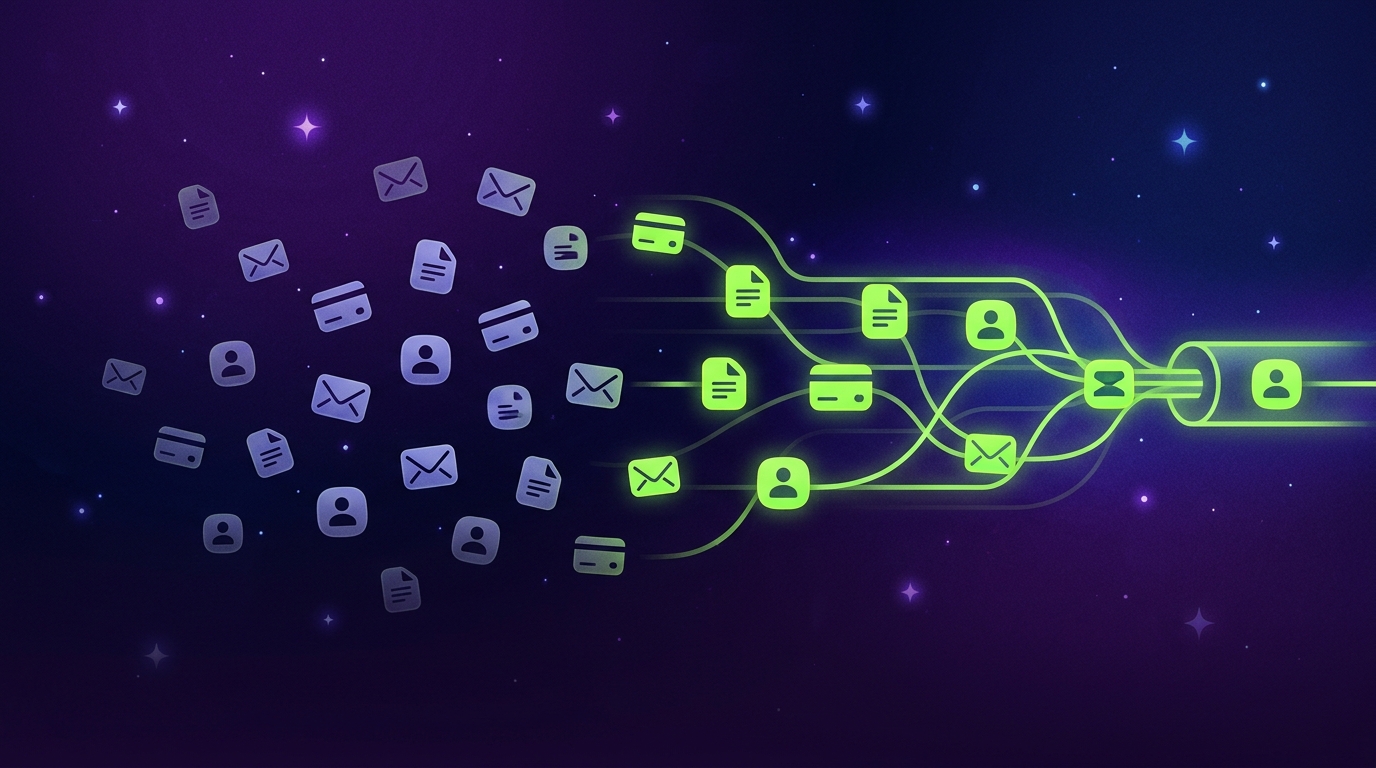
Most SaaS teams bleed time on small, repeated tasks, not big decisions. Manual onboarding, status updates, and lead routing are operational drags that don’t build real advantage, yet they stack up, creating delays and inefficiency. Automation fundamentally changes this dynamic, removing bottlenecks and cutting avoidable costs. This frees founders to laser-focus on growth, customers, and product direction, ensuring speed isn’t just about building features faster, but about eliminating the repetitive work that keeps slowing everything down.

How AI and Automation Reduce SaaS Build Time by 50%

Building a SaaS product no longer requires months; AI and automation can reduce development time by up to 50% by offloading repetitive tasks. This isn’t about replacing developers, but empowering them to become orchestrators, directing AI agents for code scaffolding, UI components, and API integrations. The “Hybrid SaaS Production Model” combines human strategy and expertise with AI’s speed, enabling products to go from idea to launch in weeks. This speed offers a critical competitive advantage, allowing founders to test, iterate, and learn from real users far faster than traditional methods.

preadsheet to SaaS: The Fastest Path to Launch

The Fastest Way to Turn a Spreadsheet into a SaaS

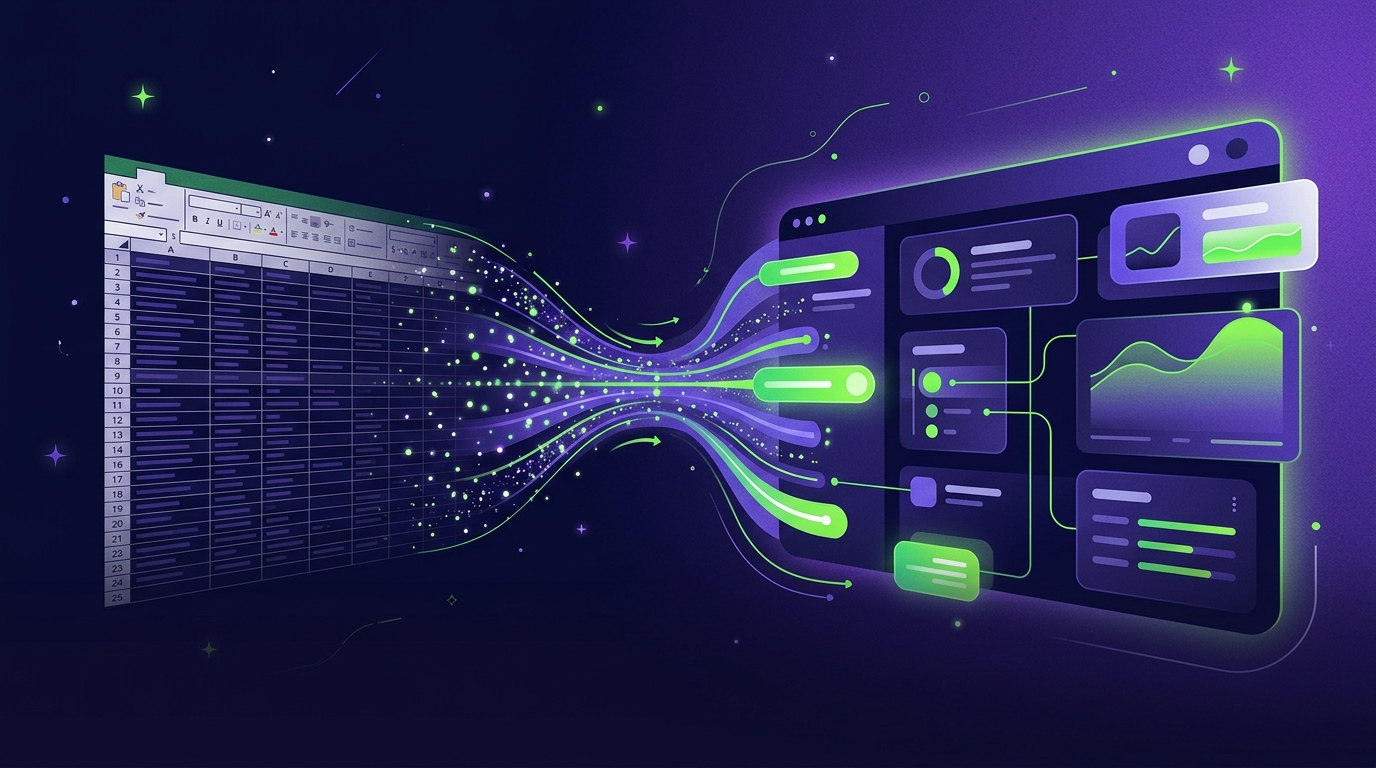
Many powerful SaaS ideas begin as humble spreadsheets. This isn’t a flaw; it’s proof of real workflows and problems. The critical error is staying stuck there. The fastest route isn’t perfection, but a structured journey: spreadsheet to defined workflow, then to a launch-ready SaaS. This guide shows founders how to stop patching rows and start building scalable, monetized products people genuinely need and use.

SaaS Growth & GTM Playbook: Channels, Funnels, Content, Paid Ads & Partnerships (2026)

Forget the hype; real SaaS growth comes from a channel-first GTM strategy. This playbook cuts through the noise, showing founders how to pinpoint their ICP, select high-impact channels, and design funnels that actually convert. We break down everything from AI-friendly content to smart paid ad experiments and strategic partnerships, all while keeping unit economics front and center. Stop guessing and start building a repeatable, scalable acquisition engine that investors will love.

SaaS Pricing & Packaging Blueprint: Proven Strategies to Maximize ARR and Reduce Churn (2026)

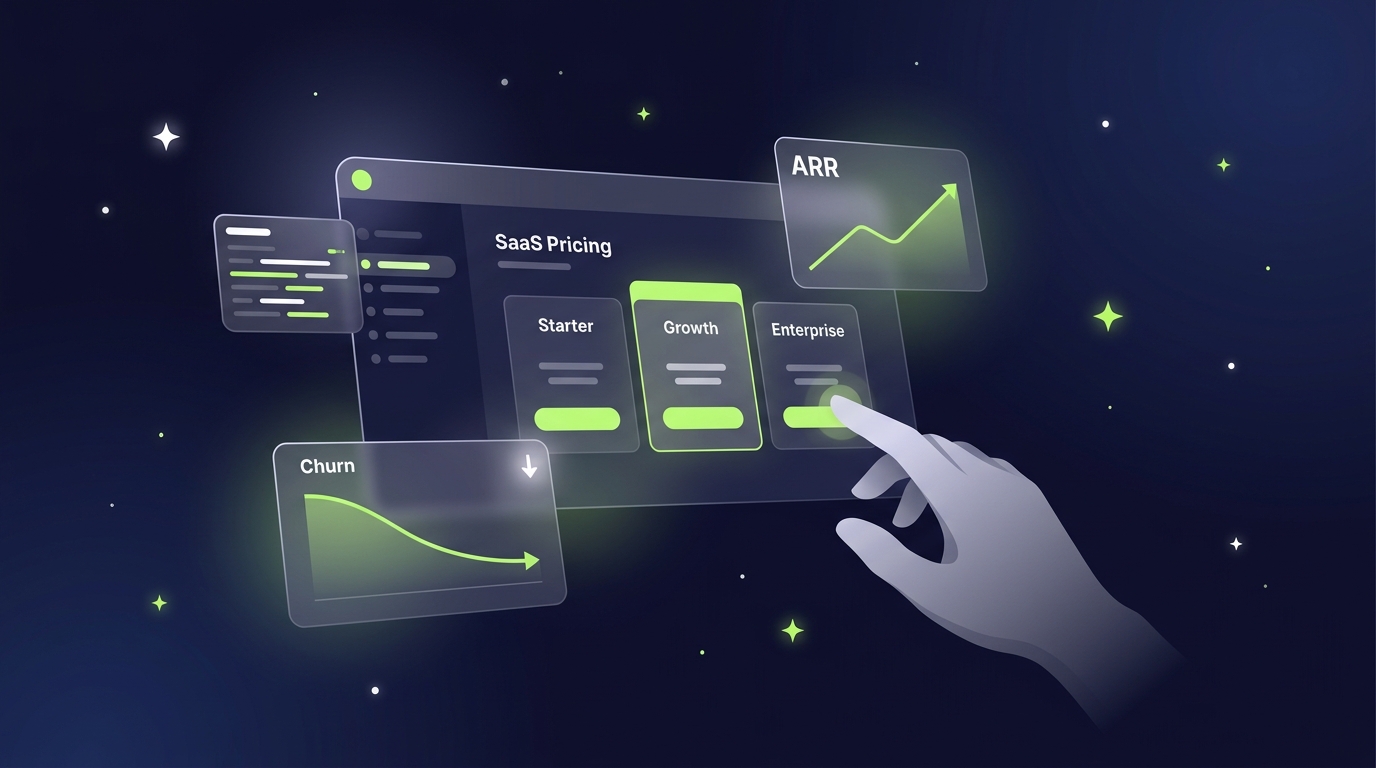
This guide isn’t just theory; it’s a battle-tested blueprint for maximizing your SaaS ARR and slashing churn in 2026. We’ll dissect how to pick the right monetization model, craft plans that actually convert, and run price experiments that move the needle. Forget guesswork – this is about data-driven decisions, from psychological triggers to AI-friendly page design, ensuring your pricing strategy isn’t just good, but exceptional. Get ready to transform your revenue.

saas-launch-framework-30-days

Real SaaS Pricing Examples in 2026(Market Benchmarks)

Established SaaS companies employ deliberate, structured pricing models that reveal consistent patterns across the industry. They typically offer low-commitment entry points, scaling through mid-tier options to custom enterprise solutions. Key strategies involve choosing a clear, scalable value metric—like per user, per contact, or per transaction—and designing specific upgrade triggers. This ensures revenue growth aligns directly with customer success, making expansion paths a core component of their business model, not an afterthought.

saas-launch-framework-30-days-

The 30-Day SaaS Launch Framework

Many SaaS ideas fail before launch due to overbuilding or overthinking; a “Launch-Ready SaaS” is a revenue-capable system, not a feature-complete one. The Planet SaaS Method employs a 30-day, 4-Stage Orbit Model (Gravity, Ignition, Orbit, Thrust) to guide founders in rapidly building only essential, revenue-generating components. This structured approach prioritizes speed to market, focusing on acquiring paying users and iterating with data, rather than endless polishing. The goal is to quickly validate the idea through early monetization, confirming demand with actual revenue instead of perfect features.