
Digital Fibre Case Study: From Fragmented Workflows to a Scalable Platform with Planet SaaS
Founders, tired of fragmented workflows? This case study reveals how Planet SaaS transformed a complex fibre optic deployment, replacing outdated systems with a scalable platform in just 12 weeks. It’s not just about digitizing operations; it’s about doing it fast to create momentum and prove value. This phased approach allows you to launch, validate, and then strategically expand, attracting investment and supporting growth without overbuilding from day one. That’s how you turn operational challenges into a competitive edge.
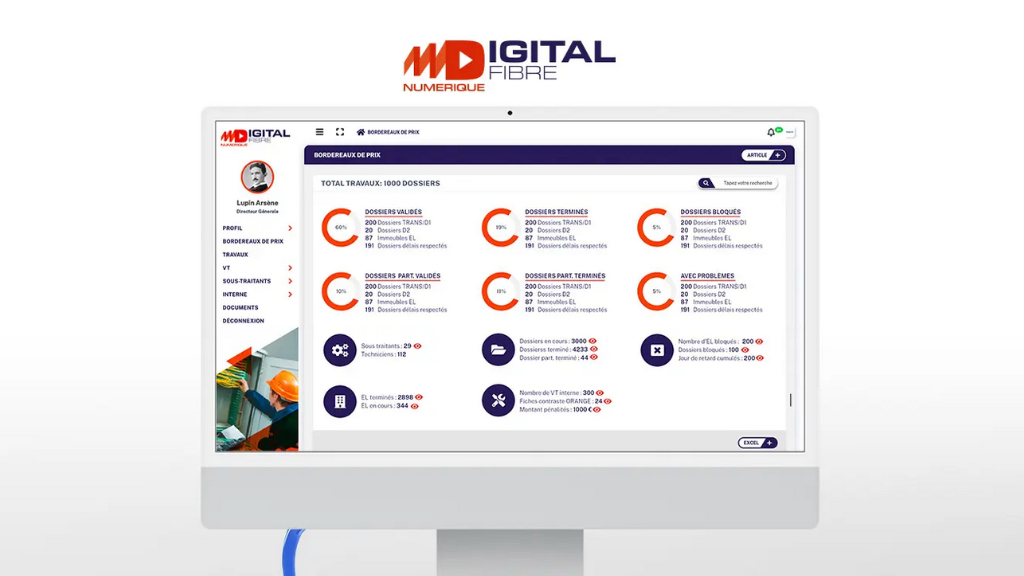
Fibre Optics to the Future: How to Build Fast, Scale Smart
Executive Summary (TL;DR)
Massive infrastructure projects, like France’s fibre rollout, often get bogged down by ancient tech. We’re talking spreadsheets and FTP. This project? It proves you don’t need years for a custom build. With the right framework, you can launch a robust operational platform in weeks, then scale strategically as the business and investment mature. Speed to market isn’t just a nice-to-have; it’s a competitive weapon.
Context
France went big on fibre optics. A national mandate to connect every home. Sounds great, right? But behind that ambition was a sprawling network of contractors and subcontractors. Delivery, maintenance, incident reports—all the nuts and bolts. And how were they running it? Emails, spreadsheets, and insecure FTP. Seriously. The result was predictable: endless delays, fractured information, and zero operational visibility. A mess, plain and simple.
Structured Breakdown: The Old Way vs. The Framework Playbook
The problem wasn’t just “old tech.” It was a critical gap in core operations:
- For Clients & Project Managers: A black hole. No central hub to track activity, review updates, or get a unified view of progress. Information was scattered across inboxes and local drives.
- For Field Engineers: A nightmare. Reporting incidents meant calls, more emails, or paper forms. Live data? Forget about it. Slow, clunky, and utterly impractical for on-site work.
The entire workflow was fragmented, slow, and couldn’t possibly scale to meet national demand.
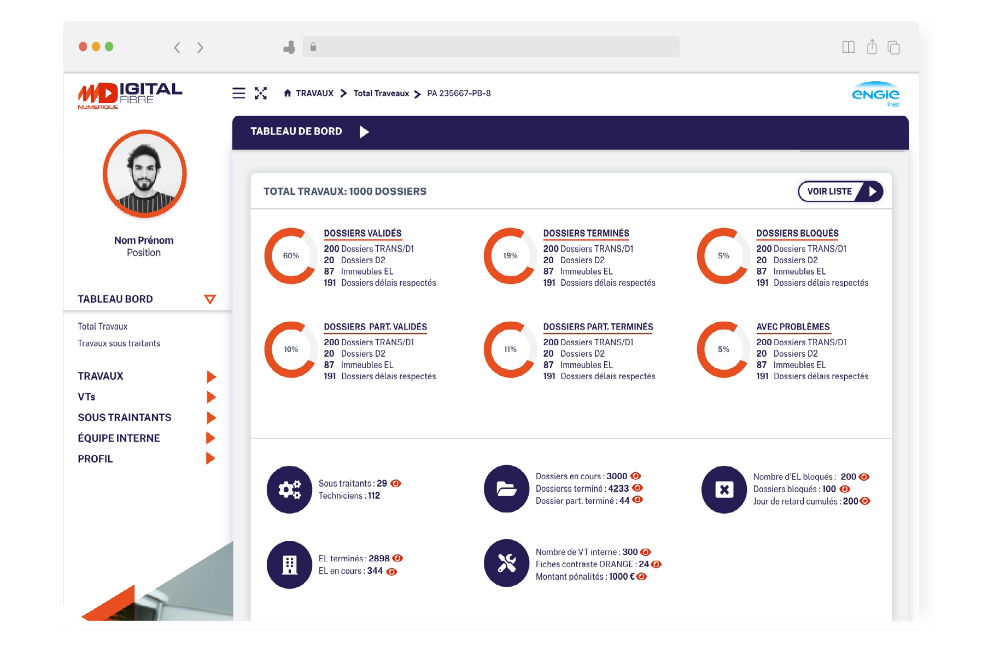
Here’s how we flipped the script using the Planet SaaS framework:
- Phase 1: The Core Launch (12 Weeks)
- We built an all-in-one web application. This wasn’t some stripped-down MVP. It was a dedicated environment for clients and project managers.
- It centralised project information, communication flows, and core operational reporting. A single source of truth, finally.
- Why it matters: This gave the business an immediate operational foundation. No waiting a year for custom code. They could start managing projects and improving visibility across the delivery chain in record time.
- Phase 2: Strategic Expansion (Next 6 Months)
- After securing further investment, the platform entered its growth phase.
- We added new features and expanded capabilities, driven by real user feedback and evolving business needs.
- Why it matters: This isn’t about guessing what users want. It’s about building on validated usage, ensuring every new feature adds tangible value.
- Phase 3: Mobile-First Operational Power (Another 6 Months)
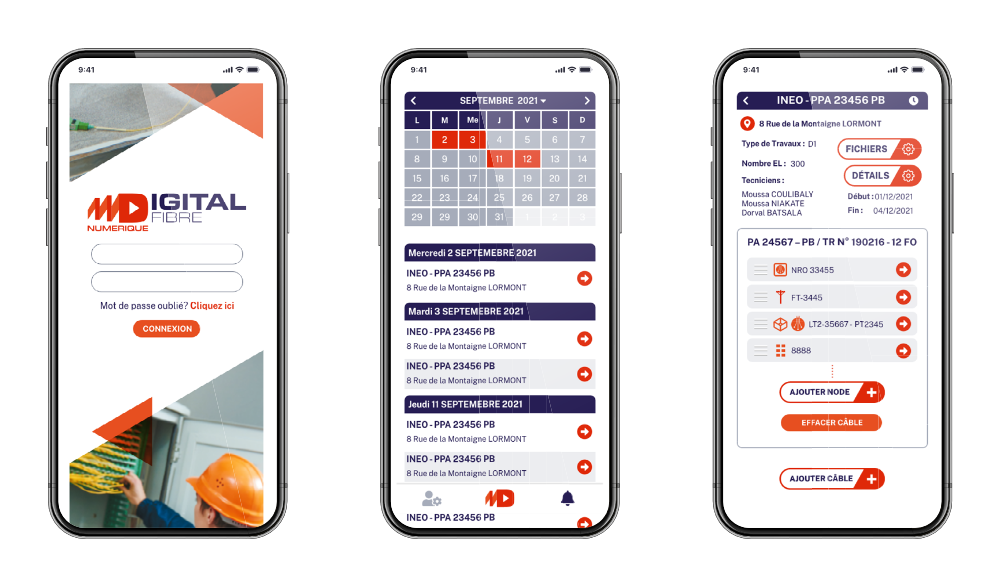
- The product evolved again with a Progressive Web App (PWA) specifically for field engineers.
- This gave operational teams a fast, mobile-friendly tool for reporting incidents and handling live project data directly from the site.
- Why it matters: Bringing the system to the frontline, where the work actually happens, drastically reduces reporting latency and improves data accuracy.
 Insight: Speed First, Then Scale. Not the Other Way Around.
This project is a masterclass in how to build for real SaaS growth. You don’t need to over-engineer day one. In fact, that’s often a death sentence. The Planet SaaS framework allows you to:
- Launch a first, operational version FAST. Get something real into users’ hands.
- Create a stable base for real users and workflows. Validate your core assumptions with actual usage.
- Expand the platform with add-ons after investment. Growth isn’t linear; your platform shouldn’t be either.
- Introduce field-ready mobile apps once the operational model matures. Target specific pain points with precision.
That’s the advantage. You launch. You validate. You expand. You improve. It’s a continuous feedback loop, not a speculative big bang.
Why This Matters
Look around. A huge chunk of infrastructure and operations-heavy sectors are still running on tech from the last century. They’re ripe for disruption. But here’s the kicker: the opportunity isn’t just to digitise them. It’s to do it fast enough to create momentum, prove value, and attract the next stage of growth. Slow and steady doesn’t win this race; it gets outmanoeuvred. Capital-intensive industries can’t afford multi-year custom dev cycles that deliver too little, too late. They need to see ROI yesterday.
Actionable Takeaway
Stop thinking about your “perfect” V1. It doesn’t exist. Instead, focus on the fastest path to a functional V1 that solves a critical pain point. Identify your core operational bottleneck, then ask: “How can I get a working solution into the hands of my users in weeks, not months?” Use a framework designed for rapid deployment and structured evolution. Don’t build for a future you haven’t validated. Build for now, then let your product and your market dictate the next evolution. That’s how you win in the long run.
FAQ/
The sector relied on fragmented workflows, emails, spreadsheets, and insecure FTP systems for managing field operations, communications, and project data, leading to delays and poor visibility.
Planet SaaS designed an all-in-one platform with a dedicated web application for managers and a Progressive Web App (PWA) for field engineers, centralizing project information, communication, and operational reporting.
The first working version of the platform was launched in just 12 weeks, providing a rapid operational foundation for the business.
After initial launch, the platform entered a growth phase with six months of additional development for new add-ons and expanded capabilities, followed by the launch of a PWA for field engineers six months later.
The project highlights Planet SaaS’s core strength of ‘speed first, then scale,’ enabling rapid launch, validation with real users, and structured expansion through later phases and add-ons without overbuilding initially.
Ready to launch your SaaS faster?/
Book a strategy call and get a practical roadmap tailored to your current stage, team, and timeline.